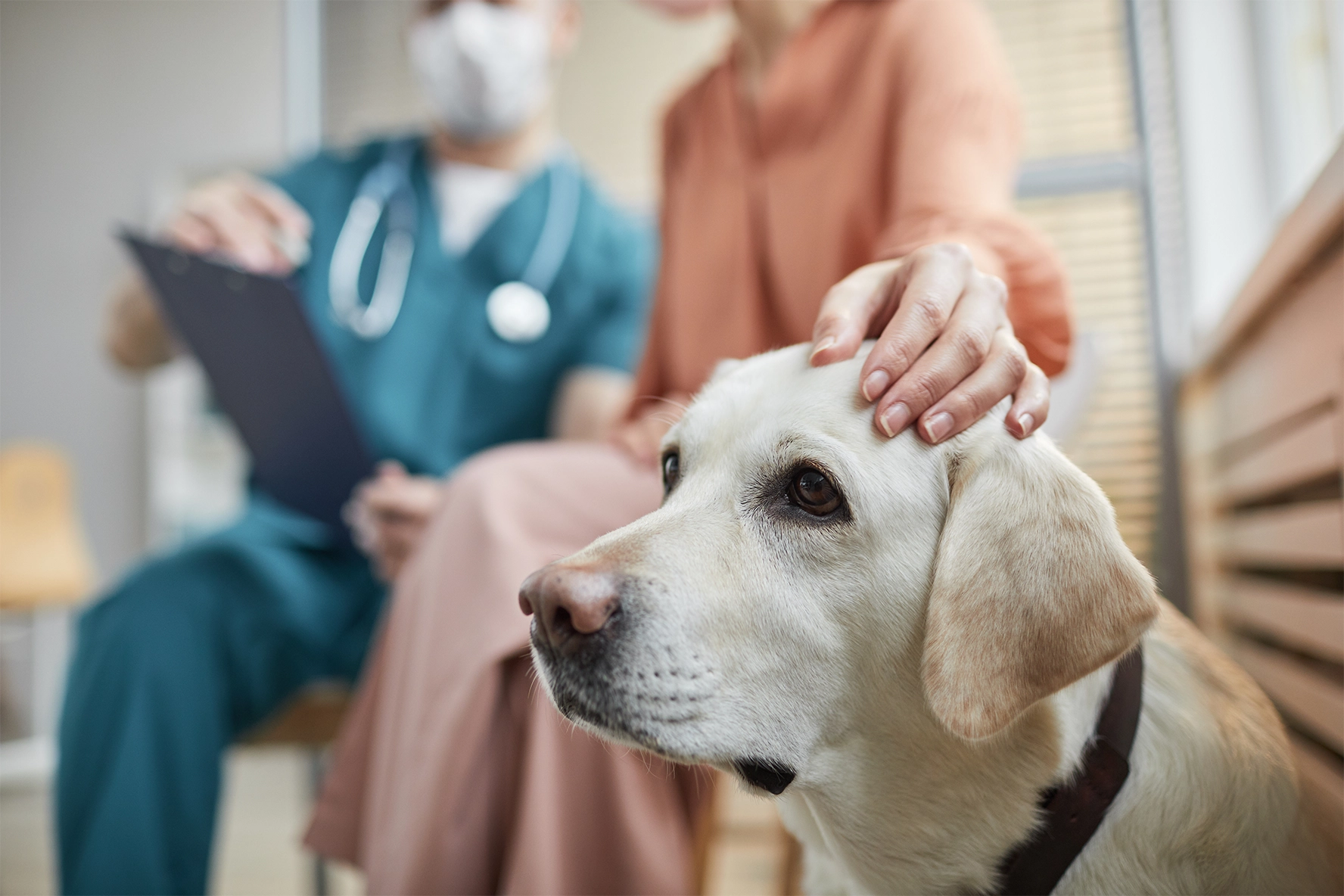
Life After Canine Lymphoma: How to Care for a Dog in Remission
Canine Lymphoma
April 16, 2026

Doxorubicin is one of the most effective chemotherapy drugs for canine lymphoma and is a key component of the CHOP protocol. Learn about its uses and cardiac risks.
Doxorubicin is a chemotherapy drug that is widely used in treating many different types of cancer in both humans and animals. It falls under a category of anti-cancer drugs called anthracyclines. The drug was originally derived from a bacterium found in soil and has been used in cancer treatment since the 1960s.
In veterinary medicine, doxorubicin is most commonly used as part of the CHOP protocol for canine lymphoma. It is also used as a single-agent chemotherapy for various types of cancer including osteosarcoma (bone cancer), soft tissue sarcoma, and mammary gland tumors.
Doxorubicin is one of the most effective and widely used chemotherapy drugs in veterinary oncology. However, like all chemotherapy drugs, it can have serious side effects that need to be monitored and managed carefully.
Doxorubicin works by inhibiting DNA synthesis in cancer cells, which causes the cells to die. The drug intercalates into DNA (meaning it inserts itself between the base pairs of the DNA molecule) and prevents the cancer cells from replicating and dividing. This mechanism of action makes doxorubicin effective against rapidly dividing cancer cells.
Because cancer cells divide much more rapidly than most normal cells, doxorubicin preferentially kills cancer cells while having relatively less effect on normal, slowly-dividing cells. However, some normal cells that do divide quickly (such as cells in the bone marrow, gastrointestinal tract, and hair follicles) can also be affected, which is why side effects can occur.
The CHOP protocol (Cyclophosphamide, Doxorubicin, Oncovin, and Prednisone) is considered the "gold standard" treatment for canine lymphoma. Each drug in the CHOP protocol works through a different mechanism, and together they attack the cancer cells from multiple angles, which increases the likelihood of remission.
Doxorubicin's role in the CHOP protocol is to intercalate into the DNA of cancer cells and prevent them from replicating. When combined with the other three drugs in the CHOP protocol, each attacking the cancer cells in a different way, the likelihood of achieving remission in canine lymphoma increases significantly.
Doxorubicin is administered intravenously (into a vein) and must be given slowly. The dose is based on the patient's body surface area (BSA), which is calculated from the dog's weight and height. A typical dose ranges from 20-30 mg/m2.
In the CHOP protocol, doxorubicin is given once every 3 weeks as the second drug in the protocol. The timing and dosage are carefully calculated by your veterinary oncologist to maximize effectiveness while minimizing side effects.
Because doxorubicin can be cardiotoxic (toxic to the heart), your veterinary oncologist may recommend cardiac monitoring (such as an echocardiogram) before treatment begins and periodically during treatment to ensure the drug is not causing heart damage.
Like all chemotherapy drugs, doxorubicin can cause side effects. Some of the most common side effects include:
Your veterinary oncologist will monitor your dog closely during treatment with blood work and other diagnostics to watch for these side effects and adjust the treatment plan as needed.
Doxorubicin can interact with other medications. Tell your veterinarian about any other medications your dog is taking, including supplements. Some medications can increase the risk of heart toxicity when combined with doxorubicin.
Doxorubicin is one of the more expensive chemotherapy drugs. The cost can vary depending on your location and your dog's size, but typically ranges from $300 to $600 per dose. Many veterinary oncology practices offer payment plans or financial assistance programs to help manage the cost of treatment.
Doxorubicin is a powerful and widely-used chemotherapy drug in veterinary oncology. When used as part of the CHOP protocol for canine lymphoma, it offers dogs a real chance at achieving remission and extending their lifespan. While it does carry the risk of side effects, particularly heart toxicity, the benefits often outweigh the risks when treating aggressive cancers like lymphoma. Working closely with your veterinary oncologist will help ensure that your dog receives the best possible care and monitoring during treatment with doxorubicin.