Laverdia-CA1 for Dogs: The First FDA-Approved Oral Lymphoma Treatment
Canine Lymphoma
March 27, 2026

Aggression is one of the most difficult behavioral changes for dog parents to face. When a once-gentle companion suddenly growls, snaps, or even bites, it’s natural to feel hurt or confused. But when dogs have pain—whether it be from a broken nail, a tumor, or any other medical condition, internal or external—aggression is often less about your dog’s temperament or mood and more about self-protection.
Your dog can’t communicate when something hurts them the same way that you can, instead, they convey their discomfort in the language they know, which consists mainly of body language, and can sometimes mean defensive aggression. Dogs in nature are part of a predator prey cycle, so when they are injured or hurt, they become “prey” which automatically puts them in a defensive position to protect themselves through natural instinct.
Understanding how pain can fuel aggression and knowing how and when to intervene can help pet parents keep both their families and their fur babies safe while ensuring that the underlying cause is properly managed. Pain-related aggression isn’t a behavioral issue in your dog—it’s a cry for help that needs to be responded to with compassion and medical support.
Aggression is a broad category of canine behaviors that includes growling, snapping, lunging, and biting. While it is easy to assume that aggression comes from dominance or poor training, veterinary behaviorists emphasize that aggression is most often defensive. Rather than your dog trying to make a power play, they are trying to increase distance between themself and whatever threat they perceive.
When a dog is in pain, even well-intentioned touch or movement can feel threatening, especially if your dog may not understand why or how they got hurt or where the pain is coming from (especially as it relates to some internal ailments). For example, a Labrador with Osteosarcoma in their leg may snap when another dog bumps into them; it may not be because of the other dog as much as it was that the Labrador had to shift their weight to stay balanced after the other dog bumped them—and the other dog may take more care to avoid bumping into the Labrador again. The Labrador isn’t being “bad”, they are trying to prevent further discomfort.
Because pain is invisible, aggression may be the first clear sign that something is wrong. Common clues include:
Veterinary pain scales like the Glasgow Composite Pain Scale or the Colorado State Canine Acute Pain Scale guide professionals in assessing subtle cues about what your dog may be going through. For pet parents, keeping a behavior log, noting when aggression occurs, what is happening and what body area was involved, can be invaluable during a vet visit to address the issue.
When aggression emerges, safety becomes the first priority—for both the dog and household members. A few strategies include:
Taking these steps should be a priority if you are not able to take your dog to the vet immediately after noticing pain. For most situations, it is reasonable to assume that you wouldn’t be able to get your dog in to see your vet until the next day. However, if your dog is showing signs of extreme pain or has visible signs of their injury or ailment, like active bleeding and swelling, take them to see an emergency vet.
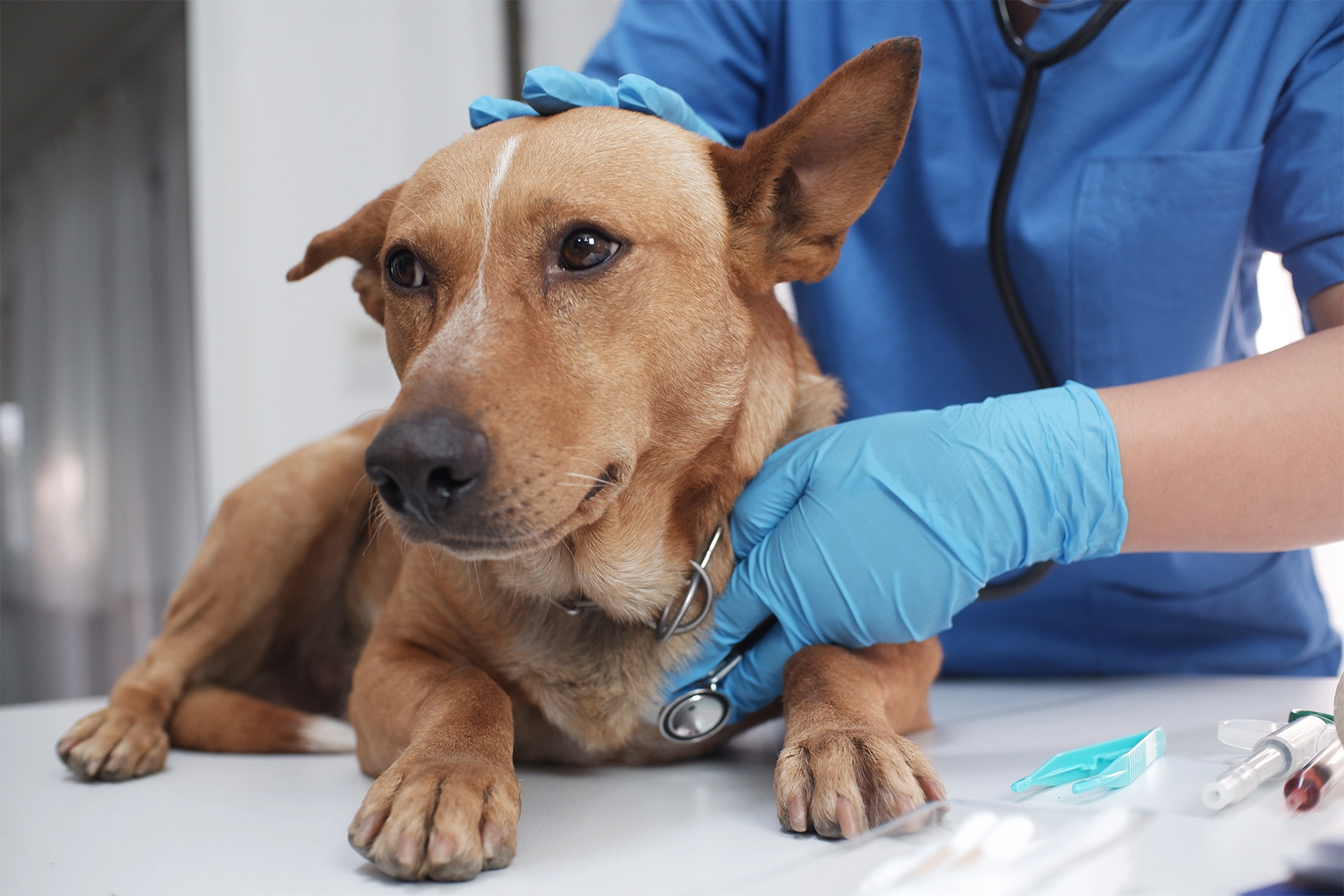
There are definitely pain situations that can be managed with home remedies, however there are also many that need professional attention and medical support. If your dog has a small accident or trips and has a limp and shows minor signs of pain, you may be able to keep an eye on it. Or if you clip your dog’s nails at home and get a little too close to the quick of their nail, they may show pain aggression. Not every scenario where your dog is in pain requires vet attention, but if your dog is being aggressive you should at minimum give your veterinarian a call. They will be able to advise on whether the situation calls for at-home monitoring or if a vet visit is in your pet’s best interest—noting information about their behavior over the phone can help your vet with this assessment. Taking a video of your pet’s behavior can be very helpful for the veterinarian.
Any sudden or escalated aggression likely warrants a veterinary appointment, especially if you can’t identify the source of your dog’s pain. Painful conditions—from arthritis to tumors—are medical problems first and should be treated as such, not as behavioral issues. You should seek veterinary care promptly if you notice:
If you attempt to modify your dog’s behavior without addressing the source—the pain—you will not see results and will only cause your dog further distress. Addressing the pain with your vet at the earliest sign can also be the difference between an easy treatment plan for some conditions, and a late-state diagnosis. It’s always better for your dog’s health to be on the safe side and check in with your vet rather than hoping it resolves on its own, as there are many health conditions that could be underlying your dog’s pain.
Veterinarians have many tools to reduce pain, even for serious conditions like cancer. Effective pain control not only improves quality of life but also often reduces aggression dramatically once your dog no longer feels threatened by touch.
Some options for medical pain management include:
You can also help by providing behavior and anxiety support during pain treatment. Sometimes, even with the pain addressed, your dog may retain anxiety or some of the defensive behaviors they developed while managing their pain on their own.
Aggression in dogs with tumors or other painful conditions is not a failure of training or love—it is your dog’s natural response to suffering. Recognizing aggression as a red flag for pain allows pet parents to respond with compassion and urgency. With veterinary assessment, effective pain control, behavior support, and respect to your dog, many dogs regain comfort and families can preserve the bond they cherish.
References: